Symptoms, Prevention, and Caregiver Tips
What Is Hepatitis A?
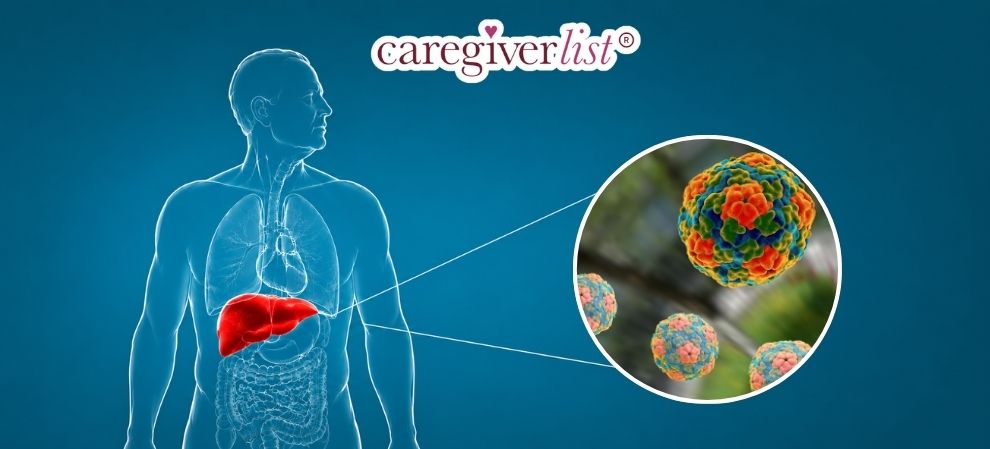
Hepatitis A is a highly contagious liver infection caused by the hepatitis A virus, also called HAV.
The hepatitis A virus spreads when someone ingests, it even in small amounts. This often happens through close contact with an infected person. It can also spread by consuming contaminated food or water.
While there is no specific treatment for HAV, people can prevent it with vaccination. According to the World Health Organization, unlike hepatitis B and C, hepatitis A does not cause chronic liver disease. However, the virus can cause mild to severe symptoms and, in rare instances, can lead to fatal acute liver failure. In 2023, about 35,569 people around the world died from hepatitis A.
Why Is This Important for Caregivers?
The CDC issued a travel advisory for Manitoba because of an ongoing hepatitis A outbreak. While the risk remains low for most people, caregivers should understand how the virus spreads and watch for symptoms.
People over the age of 60 years may experience more severe illness if they become infected. People with chronic liver disease or weakened immune systems also face a higher risk of complications.
What Are The Symptoms for Hepatitis A
Symptoms usually appear two to four weeks after initial exposure. Some people, particularly young children, may not have symptoms.
Caregivers may notice:
- Dark urine
- Clay-colored stools
- Fatigue or unusual tiredness
- Fever
- Nausea or vomiting
- Diarrhea
- Loss of appetite
- Stomach pain
- Joint pain
- Yellow skin or yellowing of the eyes, also called jaundice
Most people recover within two months. Some people may feel ill for up to six months.
What Can Caregivers Do?
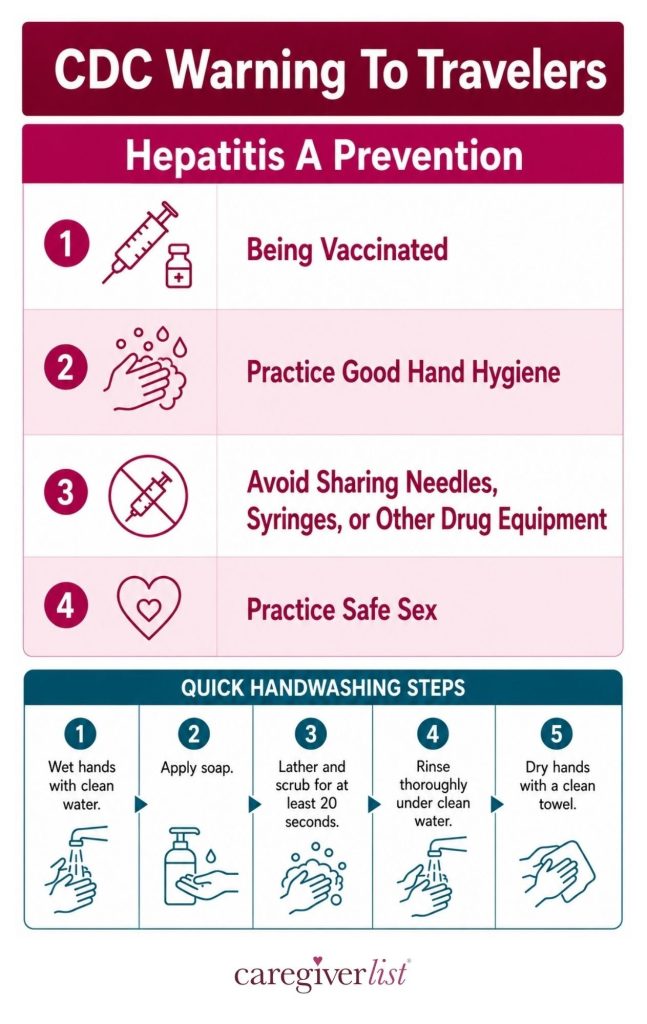
Caregivers can help reduce the spread of infection through good hygiene practices.
Practice Good Handwashing
Wash your hands thoroughly:
- After using the restroom
- Before and after preparing food
- Before eating
- After helping someone with personal care
- After handling potentially contaminated items
Infectious disease specialist Dr. Isaac Bogoch emphasizes that proper handwashing remains one of the best ways to prevent the spread of hepatitis A.
Follow Infection Prevention Practices
- Use gloves when appropriate
- Follow agency infection control policies
- Clean and disinfect shared surfaces
- Handle food safely
- Encourage good hygiene habits
Caregivers should not diagnose illness. If you notice symptoms that may be concerning, report them according to the care plan.
What Should Someone Do After Possible Exposure?
There is no specific treatment for hepatitis A. Most people recover with rest and fluids.
Anyone who believes they were exposed should seek medical care immediately. Post-exposure treatment may help prevent infection if received within two weeks of exposure. Encourage clients and family members to contact their healthcare provider if they have questions about exposure or vaccination.
Caring for the Caregiver
Stay informed about public health updates and continue following your agency’s infection prevention guidelines. Hepatitis A is one of many infection prevention topics covered in Basic Hygiene and Infection Control courses from the Caregiver Training University. These courses help caregivers build the knowledge and skills needed to provide safe care, reduce the spread of infection, and protect themselves while supporting others.
Frequently Asked Questions
How does hepatitis A spread?
The virus spreads when someone ingests it. This can happen through close contact with an infected person or through contaminated food or water.
Is there a treatment for hepatitis A?
There is no specific treatment that cures hepatitis A. Most people recover with rest, fluids, and supportive care.
What is the best way to prevent hepatitis A?
Vaccination provides strong protection. Proper handwashing also helps prevent the spread of the virus.