Quick Answer: Why Is World Hand Hygiene Day Important?
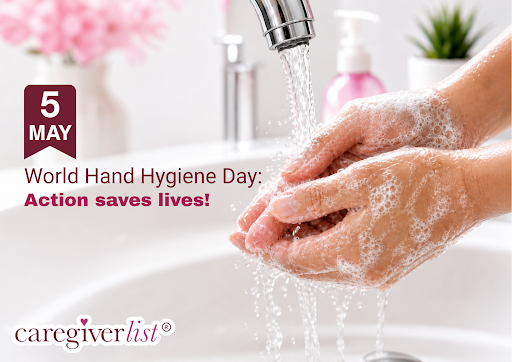
World Hand Hygiene Day is observed every year on May 5 under the leadership of the World Health Organization’s SAVE LIVES: Clean Your Hands campaign. The observance keeps global attention on the importance of hand hygiene in healthcare and encourages people to take practical action to prevent infections.
The 2026 World Hand Hygiene Day message, “Action saves lives,” is a simple but powerful reminder: clean hands are not just a policy or checklist item. They are one of the most practical ways we protect one another, especially in healthcare settings where patients may be more vulnerable.
Why World Hand Hygiene Day Matters
Hand hygiene is one of the simplest and most cost-effective ways to reduce the spread of germs. In healthcare, it protects patients, care workers, families, and visitors. Outside of healthcare, it helps protect homes, schools, workplaces, and shared community spaces.
For healthcare teams, this day is a useful pause. It asks a practical question: Are we making clean hands easy, visible, and consistent in every moment of care?
World Hand Hygiene Day reminds us that:
- Healthcare-associated infections are often preventable.
- Clean hands help stop germs before they move from person to person.
- Hand hygiene protects both the person receiving care and the person giving care.
- Small actions, repeated consistently, can build a stronger safety culture.
The World Health Organization’s 5 Moments for Hand Hygiene remains one of the most recognized global frameworks for healthcare workers. These moments help staff know when hand hygiene is needed to protect patients, themselves, and the care environment.
WHO’s 5 Moments for Hand Hygiene
- Before touching a patient
- Before a clean or aseptic procedure
- After body fluid exposure risk
- After touching a patient
- After touching patient surroundings
These moments may sound clinical, but they happen in very ordinary ways: before helping someone sit up, after adjusting a bedrail, before wound care, after removing gloves, or after touching a nearby table, call button, or doorknob.
Clean Hands Help Stop Common Germs
Handwashing works because soap and water help lift germs, dirt, and organic material from the skin so they can be rinsed away. The CDC describes handwashing as one of the most effective ways to prevent the spread of germs and recommends five basic steps: wet, lather, scrub, rinse, and dry.
Scrubbing for at least 20 seconds removes more germs than washing for shorter periods.
Below are four common viruses and bacteria that show why hand hygiene matters in both healthcare and everyday life.
1. Influenza: Clean Hands Help Keep Germs Away from the Face
Influenza, or flu, can spread through respiratory droplets, contaminated hands, and shared surfaces. Handwashing helps reduce flu spread by removing viruses that may be on the hands after coughing, sneezing, touching tissues, touching contaminated surfaces, or caring for someone who is sick. This matters because flu viruses can enter the body when a person touches their eyes, nose, or mouth.
2. Norovirus: Soap and Water Matter Most
Norovirus is extremely contagious and can spread through tiny amounts of stool or vomit particles that contaminate hands, food, and surfaces. This is why handwashing is especially important after bathroom use, diaper changes, illness care, and cleaning up after vomiting or diarrhea. For norovirus, soap and water should be the first choice. The CDC specifically states that hand sanitizer alone does not work well against norovirus and recommends washing hands well with soap and water to help prevent spread.
3. E. coli: Clean Hands Protect Food, Families, and Patients
Some types of E. coli can cause illness, especially when fecal contamination spreads to hands, food, water, kitchen surfaces, or mouths. Handwashing helps reduce this risk by stopping germs before they move from the bathroom, raw foods, animals, or contaminated surfaces to food or other people.
4. Streptococcus pyogenes: Handwashing Helps Reduce Transfer
Streptococcus pyogenes, also called Group A Strep, can cause strep throat and some skin infections. It can spread through respiratory droplets, saliva, used tissues, shared utensils, or contact with infected skin or wounds. Handwashing helps reduce spread when bacteria move from tissues, hands, cups, utensils, wounds, or shared surfaces.
The Handwashing Standard Everyone Can Remember
For public health education, the safest and clearest message is:
Wet. Lather. Scrub for at least 20 seconds. Rinse. Dry.
This simple routine helps remove germs from the hands and lowers the chance of spreading infection. Cleveland Clinic also emphasizes that scrubbing for at least 20 seconds with proper technique helps get rid of germs that can make people sick.
Handwashing vs. Hand Sanitizer: What Should You Use?
Both handwashing and hand sanitizer have a place in infection prevention, but they are not always interchangeable.
In many healthcare situations, alcohol-based hand rub is useful when hands are not visibly dirty. However, soap and water are still essential when hands are visibly soiled, after using the restroom, before eating, and when physical removal of germs is especially important. CDC guidance also notes that hand sanitizers may not be as effective when hands are dirty or greasy, and they do not work well against certain germs such as norovirus.
A simple way to remember it:
Use soap and water when hands are dirty, after bathroom use, before food preparation, and when norovirus may be involved. Use alcohol-based hand rub when soap and water are not available and hands are not visibly soiled.
During global health emergencies such as COVID-19, hand hygiene became one of the most visible prevention practices worldwide. But its importance did not begin or end with one emergency. Clean hands are part of everyday safety.
Reflection Question
Think about your last interaction in a healthcare setting, at work, or at home.
Did hand hygiene happen at the right moments?
And if it did, did anyone notice, encourage it, or make it easier for others to follow?
Florence Nightingale once said:
“The very first requirement in a hospital is that it should do the sick no harm.”
That principle still speaks to modern healthcare. Clean hands are one way we live it out.
Call to Action: Action Saves Lives
This World Hand Hygiene Day, choose one simple action:
- Clean your hands at the right moments.
- Encourage a colleague, caregiver, patient, or family member to do the same.
- Place reminders where hand hygiene is often missed.
- Support training and awareness efforts in your workplace or community.
- Make clean hands part of the culture, not just part of the policy.
Clean hands may feel like a small action, but in healthcare and daily life, small actions repeated consistently are what help create safer communities.
FAQ: World Hand Hygiene Day and Handwashing
What is World Hand Hygiene Day?
World Hand Hygiene Day is observed every year on May 5. It is led by the World Health Organization through the SAVE LIVES: Clean Your Hands campaign to promote hand hygiene improvement, especially in healthcare settings.
Why is May 5 used for World Hand Hygiene Day?
May 5 is commonly linked to the image of two hands with five fingers each, making 5/5 an easy reminder of hand hygiene.
What is the best handwashing technique?
The CDC recommends five steps: wet, lather, scrub, rinse, and dry. Scrub for at least 20 seconds to remove more germs from the hands.
Is hand sanitizer enough?
Not always. Alcohol-based hand sanitizer can be helpful when soap and water are not available, but soap and water are best when hands are visibly dirty and are especially important for germs like norovirus.
What germs can handwashing help reduce?
Handwashing can help reduce the spread of many germs, including influenza, norovirus, E. coli, and Group A Strep, by removing germs from the hands before they reach the face, food, wounds, shared surfaces, or other people.
Sources: World Health Organization; Centers for Disease Control and Prevention; Cleveland Clinic.