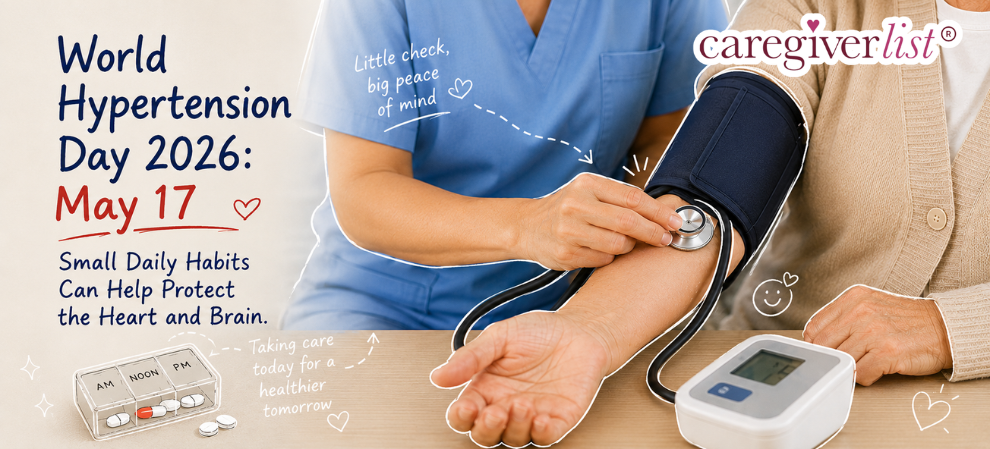
Every year on May 17, healthcare organizations worldwide observe World Hypertension Day to raise awareness about high blood pressure and encourage prevention, early detection, and proper treatment. Organizations such as the World Health Organization (WHO) and the Centers for Disease Control and Prevention (CDC) continue to emphasize that hypertension remains one of the leading risk factors for heart disease, stroke, and premature death worldwide.
Hypertension is often called the “silent killer” because many people feel completely normal even when their blood pressure is dangerously elevated. While symptoms may be absent, long-term damage can slowly affect the heart, blood vessels, kidneys, eyes, and brain.
For caregivers supporting older adults, individuals living with chronic illness, or loved ones recovering from medical conditions, understanding hypertension is an important part of everyday care.
What Is Hypertension?
Hypertension occurs when blood pressure remains consistently higher than normal over time.
Blood pressure measures the force of blood pushing against the walls of the arteries as the heart pumps. Readings are written as two numbers:
- Systolic pressure — the top number that measures pressure while the heart beats
- Diastolic pressure — the bottom number that measures pressure while the heart rests between beats
According to the American Heart Association, a normal blood pressure reading is generally around:
120/80 mmHg
When readings stay above recommended levels, the risk of long-term health complications may increase.
The Connection Between Hypertension and Brain Health
Research continues to show a strong connection between uncontrolled hypertension and cognitive decline. The National Institute on Aging and the Alzheimer’s Association both report that long-term vascular damage may increase the risk of memory problems, stroke, and certain forms of dementia. Over time, damage to blood vessels may reduce blood flow to the brain, increasing the risk of stroke and certain forms of dementia.
This is one reason blood pressure management is important not only for heart health, but also for preserving memory, independence, and overall quality of life as people age.
Interesting Facts About Hypertension
- Millions of adults worldwide live with hypertension, and many may not know they have it.
- High blood pressure often develops gradually over many years.
- Lifestyle changes may help improve blood pressure when combined with medical care.
- Reducing sodium intake may help lower blood pressure in some individuals.
- Regular blood pressure checks can help detect problems early.
Signs Caregivers Should Watch For
Caregivers are often among the first to notice changes in routines, energy levels, mobility, or behavior that could signal blood pressure concerns. Many people with hypertension have no noticeable symptoms. However, caregivers should pay attention to concerns such as:
- Frequent headaches
- Dizziness
- Blurred vision
- Shortness of breath
- Chest discomfort
- Confusion
- Sudden weakness
- Swelling in the legs or feet
- Increased fatigue
Seek emergency medical attention immediately if signs of a stroke or heart attack appear, including facial drooping, severe chest pain, difficulty speaking, or sudden weakness on one side of the body.
Daily Caregiver Tips for Supporting Blood Pressure Health
- Encourage Medication Adherence
- Support Heart-Healthy Meals
- Encourage Safe Physical Activity
- Reduce Stress and Improve Sleep
- Monitor Blood Pressure Properly
Encourage Medication Adherence
Many individuals with hypertension rely on daily medications to help control blood pressure. Missing doses can increase health risks.
Caregiver support may include:
- Using pill organizers
- Following medication schedules
- Watching for side effects
- Reporting concerns to healthcare providers
Medications should never be stopped or changed without professional medical guidance.
Support Heart-Healthy Meals
The CDC and American Heart Association both recommend heart-healthy eating habits to help improve blood pressure alongside medical treatment.
Helpful approaches include:
- Limiting foods high in sodium
- Encouraging fruits and vegetables
- Choosing lean proteins
- Offering water regularly
- Reducing heavily processed foods
Older adults may need assistance with meal preparation, grocery shopping, or reading nutrition labels.
Encourage Safe Physical Activity
Regular movement supports circulation and overall heart health. Health experts, including the WHO, encourage older adults to remain as physically active as safely possible based on their abilities and medical guidance.
Depending on a person’s condition and medical advice, activities may include:
- Walking
- Gentle stretching
- Chair exercises
- Balance exercises
- Daily mobility routines
Even small increases in daily activity can make a positive difference.
Reduce Stress and Improve Sleep
Long-term stress and poor sleep can affect blood pressure levels. The Mayo Clinic and other healthcare organizations have highlighted the connection between chronic stress, sleep quality, and cardiovascular health.
Caregivers can help by:
- Maintaining calm daily routines
- Reducing overstimulation
- Encouraging relaxation techniques
- Supporting healthy sleep habits
- Watching for signs of sleep apnea or nighttime breathing problems
Monitor Blood Pressure Properly
Home blood pressure monitoring is now common in caregiving and senior care settings.
Caregivers should:
- Follow device instructions carefully
- Take readings at consistent times
- Record blood pressure results
- Share unusual readings with healthcare providers
Unless instructed otherwise, avoid taking readings immediately after exercise, stress, caffeine intake, or smoking.
When was the last time you or someone you care for had their blood pressure checked?
At Caregiverlist® we believe that small daily habits, regular monitoring, and early awareness may help prevent serious medical emergencies later. Consistent daily support can make a meaningful difference in long-term health and quality of life.
Frequently Asked Questions (FAQ)
Can hypertension be prevented?
In many cases, healthy lifestyle habits may help lower the risk of developing hypertension. Regular exercise, balanced nutrition, limiting sodium intake, managing stress, avoiding smoking, and attending regular medical checkups can all support healthier blood pressure levels.
Why is hypertension called the “silent killer”?
High blood pressure often develops without obvious symptoms. Many individuals may feel completely well while damage slowly affects the heart, brain, kidneys, and blood vessels over time.
How often should older adults check their blood pressure?
The frequency may vary depending on medical history and healthcare provider recommendations. Some individuals may need daily monitoring, while others may only require periodic checks during routine appointments.
Can stress raise blood pressure?
Stress may temporarily increase blood pressure and can also contribute to unhealthy habits such as poor sleep, overeating, or inactivity. Managing stress is an important part of overall cardiovascular health.
What foods may help support healthy blood pressure?
Healthcare organizations often recommend diets rich in fruits, vegetables, whole grains, lean proteins, and low-fat foods while limiting excess sodium and heavily processed meals.
When should caregivers seek emergency medical help?
Seek immediate emergency care if someone experiences warning signs of a stroke or heart attack, including severe chest pain, facial drooping, sudden weakness, difficulty speaking, confusion, or shortness of breath.