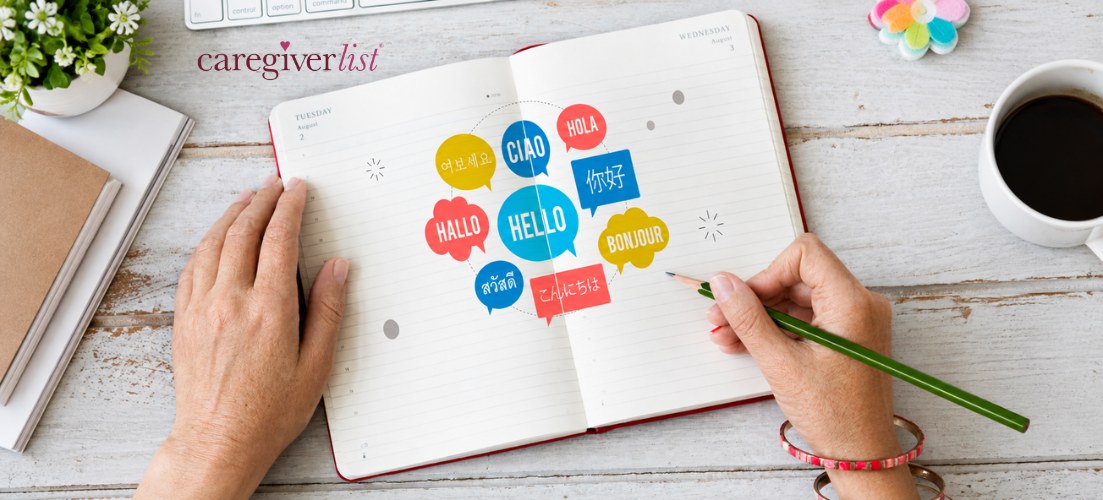
Speaking Multiple Languages and Brain Aging
A new study presented at the FENS Forum 2026 found a connection between multilingualism and brain aging. Researchers studied people in the Basque region of Spain who spoke between one and four languages. They used brain activity data and artificial intelligence to estimate each person’s “brain age.”
People who spoke two languages had brains that appeared about six years younger than those of people who spoke one language. The difference was about seven years for people who spoke three languages and about 13 years for those who spoke four. The effect was stronger among people who had higher language proficiency.
The researchers are careful to point out that this does not prove that learning languages makes the brain younger. Other factors such as lifestyle and social engagement may also contribute.
The researchers are now interested in an even bigger question. They want to investigate whether similar patterns appear in people with conditions such as Alzheimer’s disease.
Does Age Really Matter When Learning a Language?
Interestingly, another study from Massachusetts Institute of Technology found that age can affect how easily people learn a new language. Researchers analyzed data from nearly 670,000 people and found that the ability to learn grammar remains strong through about age 17 or 18. However, reaching native-like grammar skills was much more likely when language learning began by around age 10.
But perhaps that fluency isn’t the only thing that matters.
Steve Kaufmann, a Canadian polyglot who continues learning languages in his 70s, has talked openly about how learning can change with age. In his Youtube video “Why I’m still learning languages in my 70s,” he talks about changes in memory and acknowledges that he may learn more slowly now. Yet he continues because he enjoys learning languages.
For caregivers, this research offers an interesting way to think about everyday activities. If an older adult already speaks another language, using it during conversation can be a way to stay connected with familiar memories and culture. Listen to music in that language or ask them to teach you a few words.
There is also something to consider when learning a new language. You cannot always control how quickly you learn or how easily you remember new words. You can control how active you are. Make learning more enjoyable by exploring the culture too. Watch a movie. Try the food and talk about it with people who speak the language. Learning a language takes time, so there is no need to rush. It can be a fun way to stay curious and discover a new culture.
At Caregiverlist, research like this reminds us that the brain continues to be an important part of healthy aging. Whether it is learning a new phrase or revisiting a language from the past, there is always room to keep learning.