

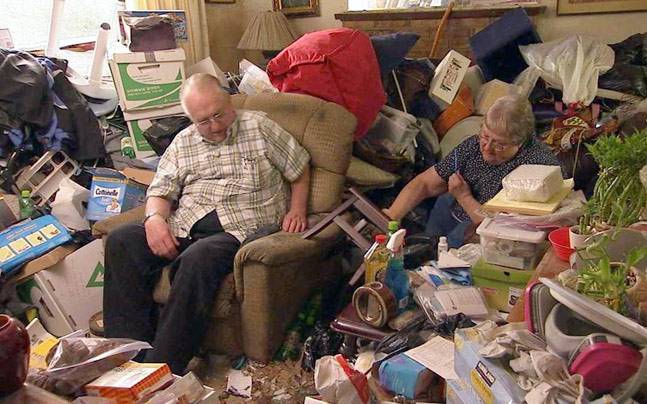
Hoarding Disorder (HD) is more than just holding onto things, it’s a mental health condition where a person struggles to throw away items, regardless of their value. Over time, this leads to clutter that can interfere with daily living, relationships, and safety.
For caregivers, especially those supporting individuals with dementia, understanding hoarding can make caregiving safer, less stressful, and more compassionate.
It’s easy to confuse hoarding with collecting—but they are very different:
- Collectors organize and display items with purpose and pride
- Hoarding behaviors involve disorganization, distress, and strong emotional attachment to items
Someone with hoarding disorder may feel anxious or upset at the thought of letting things go, even items that seem unnecessary. For older adults, hoarding can lead to serious risks:
- Increased fall hazards
- Fire risks due to clutter
- Poor hygiene or spoiled food
- Blocked pathways or exits
These risks are especially concerning for individuals with conditions like Alzheimer’s Disease and other forms of Dementia.
A recent study published in The Journal of Neuropsychiatry and Clinical Neurosciences revealed:
- 23% of caregivers reported concerns about hoarding
- Hoarding was linked to:
- Increased depression symptoms
- More behavioral challenges
- Higher caregiver stress
The takeaway? Even a simple question can help identify a deeper issue and open the door to support.
“Is there any concern regarding clutter in the home or possible hoarding behavior?”
Watch for these common signs:
- Difficulty throwing away items
- Clutter that disrupts living spaces
- Strong emotional attachment to possessions
- Anxiety or distress when discarding items
- Trouble organizing or making decisions
TV host, Jasmine Harman, has shared her mother’s struggle with hoarding, rooted in childhood trauma and loss. Her story highlights something important: Hoarding is often deeply emotional and healing starts with understanding, not force.
Inspired by Marie Kondo and Japanese minimalism, caregivers can introduce a softer approach to decluttering: Encourage your senior care client to thank items before letting them go.


One Response
good information