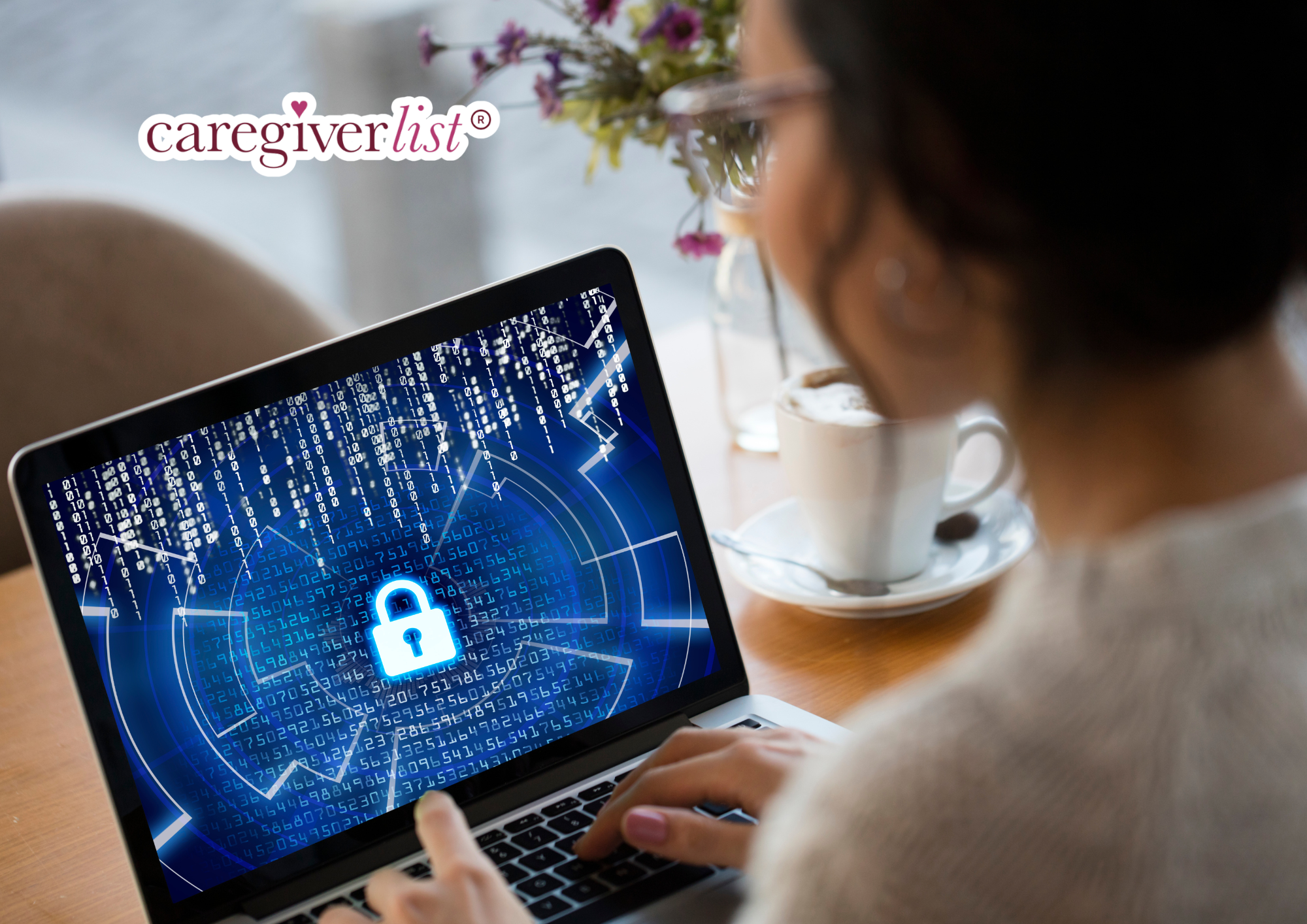
As more homecare agencies and caregivers use digital platforms to record care plans notes, document visits, and communicate with the managers, cybersecurity threats are becoming more frequent and more serious. Remember to always keep client information confidential and to log-out of any of your company’s online reporting systems after using.
In early 2025, three major cybersecurity attacks shook the healthcare industry. A dialysis provider, an ambulance service, and an ophthalmology clinic all reported unauthorized access to sensitive health data. Collectively, these incidents affected hundreds of thousands of individuals and disrupted operations that many patients rely on daily.
These cases highlight the urgent need for caregivers to understand how to protect themselves and their clients online.
Why Homecare and Healthcare Data Is a Prime Target for Cybercriminals?
Unlike credit card data, which can be quickly canceled, health data is permanent, it includes full names, birth dates, medical histories, diagnoses, insurance details, Social Security numbers, and etc. This makes it incredibly valuable on the dark web.
You may not work in IT, but if you document client care, you’re handling protected health information (PHI) and you play a major role in keeping it safe.
Best Practices for Caregivers:
- Use strong, unique passwords and change them regularly
- Enable two-factor authentication on care platforms and email accounts.
- Log out of systems when you’re done using them, especially on shared devices
- Don’t share your work phone or tablet with others
- Never store client data in unsecured apps or personal notes
- Never connect to a public wifi
Common Cybersecurity Threats in Homecare
Ransomware & Malware (Trojan Horse)
Malicious software often disguises itself as a useful program.
Example: A caregiver downloads a fake PDF reader that silently installs malware, recording keystrokes and stealing login info.
Phishing Attacks
This is the most common cybersecurity attack, a fraudulent message tricking users into clicking a malicious link revealing sensitive data.
Example: A user receives an urgent email from “PayPal” claiming their account has been compromised. The email includes a link to “verify” their identity. When clicked, it leads to a fake PayPal login page, where the user unknowingly enters their username and password. Hackers now have full access to their account.
Another common tactic involves receiving an unexpected email that appears to come from your home care agency, often with an attached file. When you open the attachment, it prompts you to log into your Gmail account. This is a phishing attack designed to trick you into revealing your login credentials and compromise your account.
Man-In-The-Middle (MITM) Attacks: Intercepting communications
A cybercriminal sets up a fake Wi-Fi hotspot in a coffee shop, naming it “Free_Coffee_WiFi.” When unsuspecting users connect, the hacker intercepts their internet traffic, stealing login credentials, credit card details, and personal messages.
Educate Your Clients Too!
Seniors are common targets of fraud. Help protect them by encouraging them to:
- Avoid Sharing Personal Info by PHONE, E-MAIL or TEXT
- Confirm Suspicious Messages with a Family Member Before Responding.
- Use Call Blockers or Screen Unknown Numbers.
Even if your client doesn’t use technology themselves, scammers may try to gather their info through you.