Most of us enjoy something sweet in our coffee, tea, or snacks. But not all sweeteners are the same, especially when it comes to how they affect your brain. Some can raise your risk for memory problems or mood issues, while others seem to be gentler and maybe even helpful.
Your brain runs on glucose (sugar), but here’s the important part: your body is capable of making glucose on its own or generating it from the breakdown of carbohydrates. This means you don’t actually need added sugar to power your brain. The key takeaway is that added sweeteners found in more than 70% of foods and drinks in the U.S. are unnecessary for most people’s brain health.
The Not-So-Great Choices
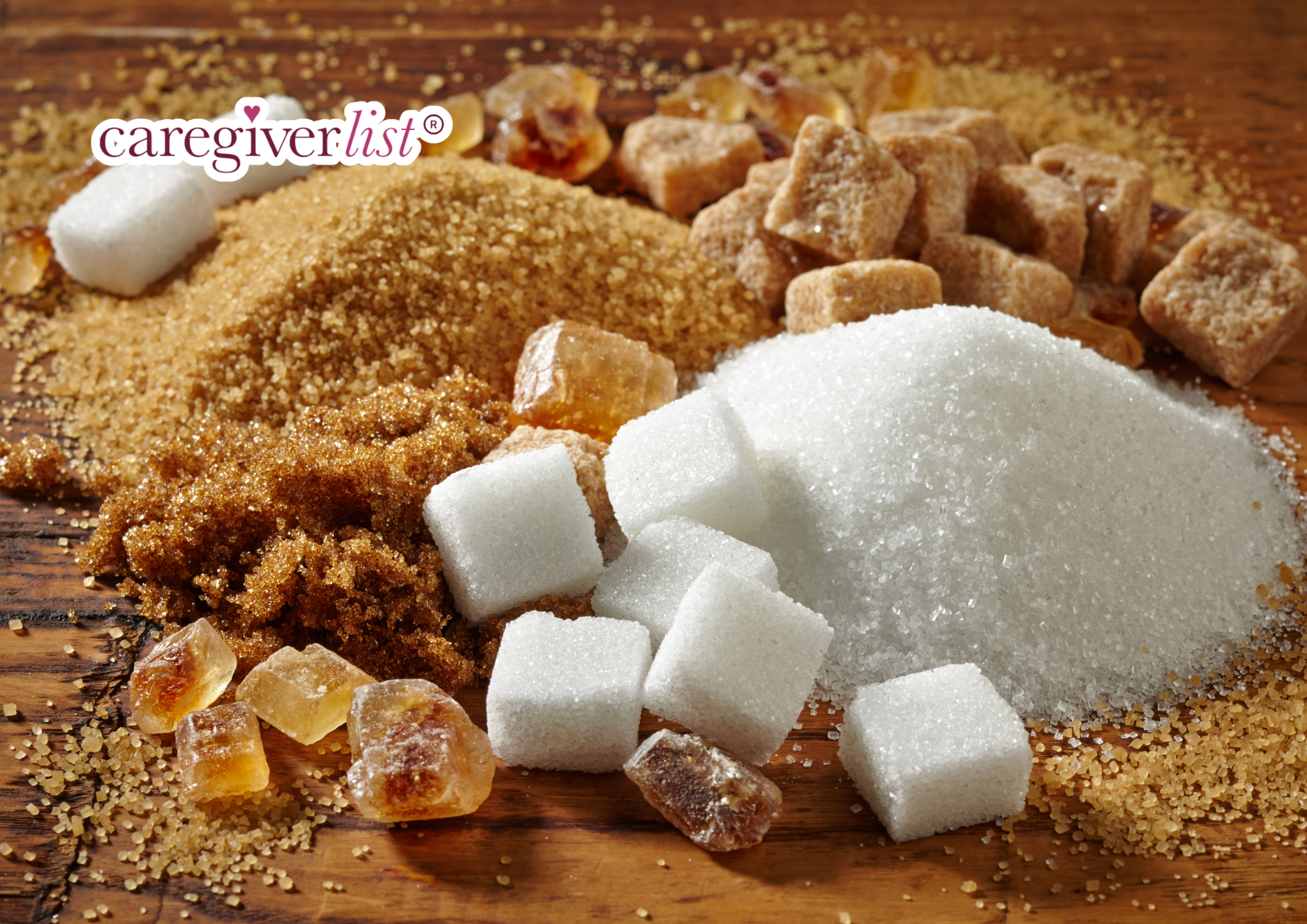
- Regular sugars like white sugar, corn syrup, and agave are linked to higher risks of depression and cognitive decline when eaten in large amounts.
- Artificial sweeteners (like aspartame and sucralose) don’t raise blood sugar, but studies suggest they may disrupt gut health, which is closely tied to brain function.
The Better Options
- Honey stands out among natural sweeteners because it contains antioxidants that may protect the brain, though it should still be used in moderation.
- Stevia, monk fruit, and allulose are newer, plant-based sweeteners that provide sweetness without the same risks seen in sugar or artificial options. Early research suggests they may be safer for the brain.
Too much sweetness, no matter the source, can keep you hooked on sugary foods and drinks. If you want to support your brain:
- Cut back on added sugars.
- Use honey in moderation if you prefer a natural option.
- Try plant-based sweeteners like stevia or monk fruit as safer alternatives.