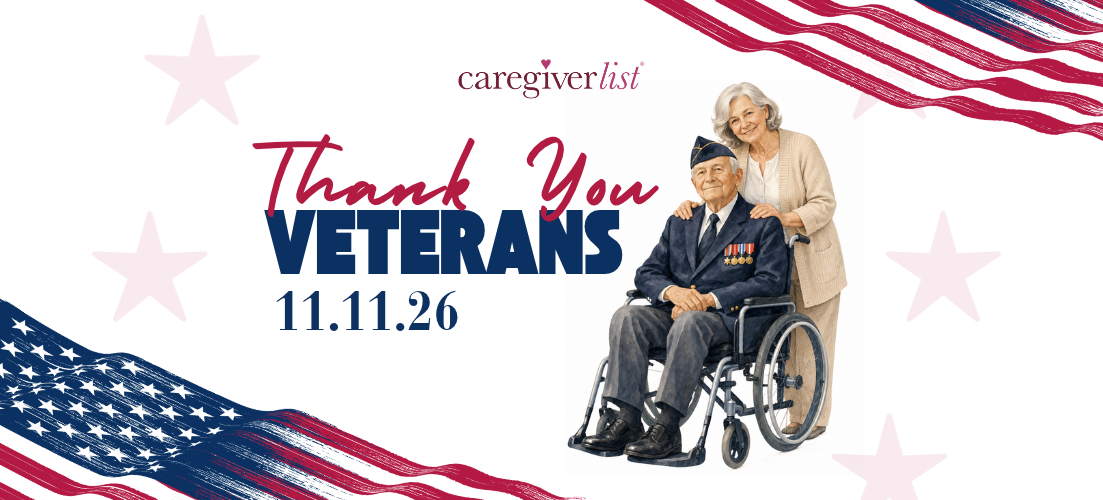
Honoring Our Veterans This November 11
Being a veteran means carrying life experiences that others may not fully understand. Some memories may be difficult to talk about.
As caregivers, we may never know exactly what a veteran has experienced. We can still show respect by listening with an open heart and allowing veterans to share their stories in their own time.
Remembering Those Who Served
Paul Priest is one of the veterans we honor this November 11. Now a centenarian at 100 years old, he is a World War II veteran and a Bronze Star recipient.
The U.S. Army drafted Paul when he was 18. On December 25, 1944, he arrived in France on his 19th birthday. He served with the Army’s 9th Armored Division and later joined its reconnaissance team. During the Battle of Remagen in Germany in March 1945, Paul was among the first American soldiers to cross the Ludendorff Bridge over the Rhine River. His service during the battle earned him several military honors, including the Bronze Star. According to his daughter, Paul is one of the last surviving soldiers of the Battle of Remagen.
In an interview with Sanford Health, Paul shared how he stays active and enjoys spending time with others. He still gives talks about his wartime experiences and receives invitations to events that honor veterans. He also enjoys working on puzzles, chatting with friends, and helping staff with projects at his care facility.
Priest’s story gives us a glimpse into the life of someone who has witnessed an important part of history. Like many older veterans, he has experiences that deserve to be heard and remembered.
For caregivers, taking time to listen can be a meaningful way to build trust and get to know the person behind the care plan.
5 Ways Caregivers Can Show Appreciation to Veterans
Caregivers do not need to plan a special celebration to make a veteran feel appreciated. Small, thoughtful actions can go a long way.
Here are five ways to show respect when caring for aging veterans:
- Listen to their stories. Some veterans enjoy sharing memories of their military service. Give them time to talk without interrupting or pressuring them to share more than they want.
- Thank them for their service. A sincere thank-you is a simple way to recognize their contribution.
- Respect their choices. Ask veterans about their preferences and include them in decisions about their daily care. Respect their independence whenever possible.
- Learn their routines and interests. Find out what activities they enjoy doing and how they like to spend their day.
- Get to know them beyond their military service. Take an interest in their lives as parents, grandparents, friends, and members of their community. Get to know the person, not just the veteran.
Supporting Veterans Every Day
Veterans deserve respect and appreciation throughout the year, not only on November 11.
For caregivers and home care agencies, this means getting to know the veterans they serve and understanding what makes them feel comfortable and respected. It also means recognizing that every person has a different story and different care needs.
Caregiverlist thanks all the men and women who served in the U.S. military. We also thank the caregivers and home care agencies who look after older veterans and help them maintain their dignity, independence, and quality of life.
Happy Veterans Day!
What is Veterans Day?
Veterans Day is observed every November 11 in the United States. It honors military veterans who served in the U.S. Armed Forces.
How can caregivers show appreciation to veterans?
Caregivers can show appreciation by listening to veterans’ stories, thanking them for their service, respecting their choices, and learning about their interests and daily routines.
What should caregivers know when caring for older veterans?
Caregivers should understand each veteran’s personal history, care preferences, daily routines, and communication needs. They should avoid assumptions and provide care that respects the individual’s independence and dignity.
Why is person-centered care important for aging veterans?
Person-centered care allows veterans to participate in decisions about their daily lives. It recognizes their individual experiences and preferences while helping them maintain independence and quality of life.