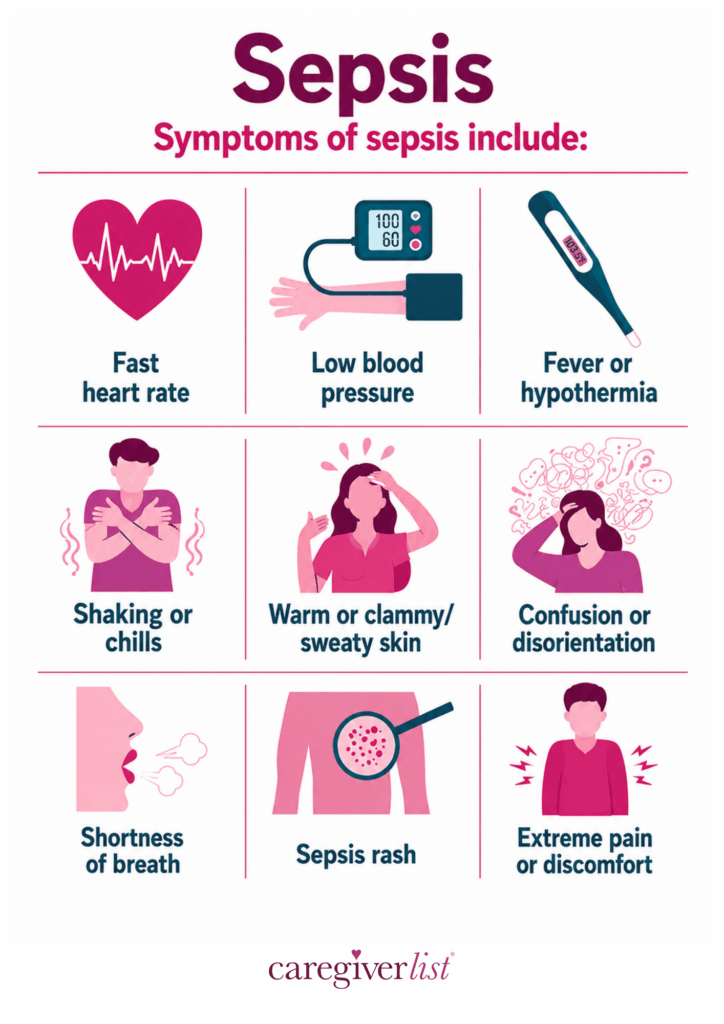
Sepsis is a medical emergency that can happen when an infection triggers a serious reaction throughout the body. Sepsis can develop from infections like pneumonia, UTIs, or wounds.
According to the CDC, sepsis may cause symptoms such as confusion, shortness of breath, fever, chills, clammy skin, fast heart rate, weak pulse, or extreme discomfort.
Kyle Busch, a two-time NASCAR Cup Series champion, passed away at 41 years old. His death resulted from rapid complications that arose when severe pneumonia developed into sepsis. The sepsis led to disseminated intravascular coagulation, which is abnormal clotting throughout blood vessels that cuts off flow to organs. That was followed by hemorrhagic shock caused by severe bleeding. His death certificate revealed that he had been battling bacterial pneumonia for “days to weeks” before he died on May 21.
Kyle Busch’s passing has reminded many families, caregivers, and healthcare teams that infections should be taken seriously.
Sepsis in Older Adults
Older adults can be more vulnerable to sepsis. Their risk may be higher if they have chronic conditions, a weakened immune system, recent hospitalization, wounds, breathing problems, diabetes, or lung disease.
The CDC lists adults age 65 and older as one of the groups at higher risk for sepsis.
Sepsis can affect an older adult’s safety, communication, independence, and daily routine. Sometimes the first signs may look like “not acting like themselves.” A client may seem more tired, more confused, or less steady. They may also lose interest in usual activities, such as eating, drinking, bathing, walking, or talking.
What Caregivers Can Do
Caregivers can help by staying observant and acting within their role:
- Follow the care plan and agency policy.
- Support hand hygiene and infection prevention.
- Encourage fluids or meals if allowed by the care plan.
- Keep the client safe and comfortable.
- Document what changed, when it started, and what was observed.
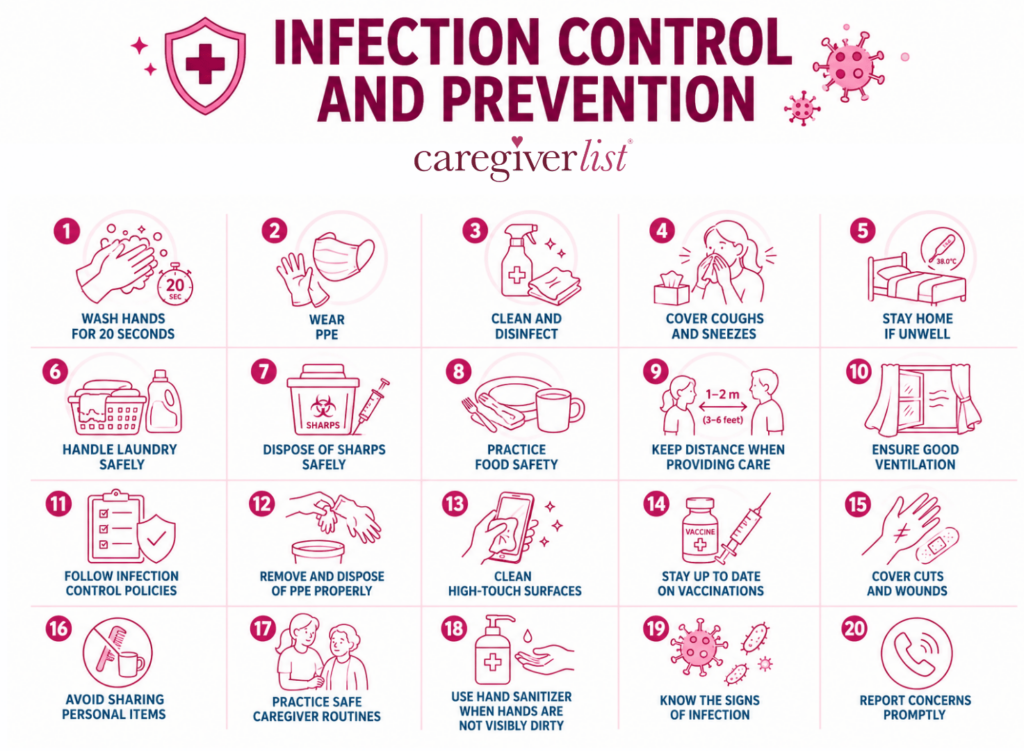
If a person is taking antibiotics for pneumonia but symptoms continue to worsen, this should be reported right away. Worsening breathing, chest pain, or a persistent fever may mean the infection is not improving. New confusion, extreme weakness, clammy skin, rapid breathing, or a major change from the person’s usual condition may also suggest that complications are developing. Caregivers should follow emergency procedures and should not wait to see if severe symptoms pass.
FAQ
What is sepsis?
Sepsis is the body’s extreme response to an infection. It is a medical emergency that needs urgent care.
Can pneumonia lead to sepsis?
Yes. Pneumonia is one type of infection that can lead to sepsis. Kyle Busch’s reported case brought attention to this risk.
Is sepsis contagious?
Sepsis itself is not contagious and cannot be spread from person to person. However, some infections that may lead to sepsis can spread, so preventing and reporting infections early is important.
Why are older adults at higher risk for sepsis?
Older adults may be at higher risk because aging, chronic illness, weakened immunity, wounds, recent hospitalization, or conditions such as diabetes and lung disease can make infections harder to fight.
What should caregivers watch for?
Caregivers should watch for sudden confusion, breathing trouble, fever or chills, clammy skin, rapid heartbeat, sudden weakness, worsening wounds, changes in urination, or a client who seems much sicker than usual.
At Caregiverlist, we believe that caregiver training helps support safer, more informed care for older adults. By learning more about infections, warning signs, and when to report changes, caregivers can respond with greater confidence, compassion, and respect for each person’s dignity.