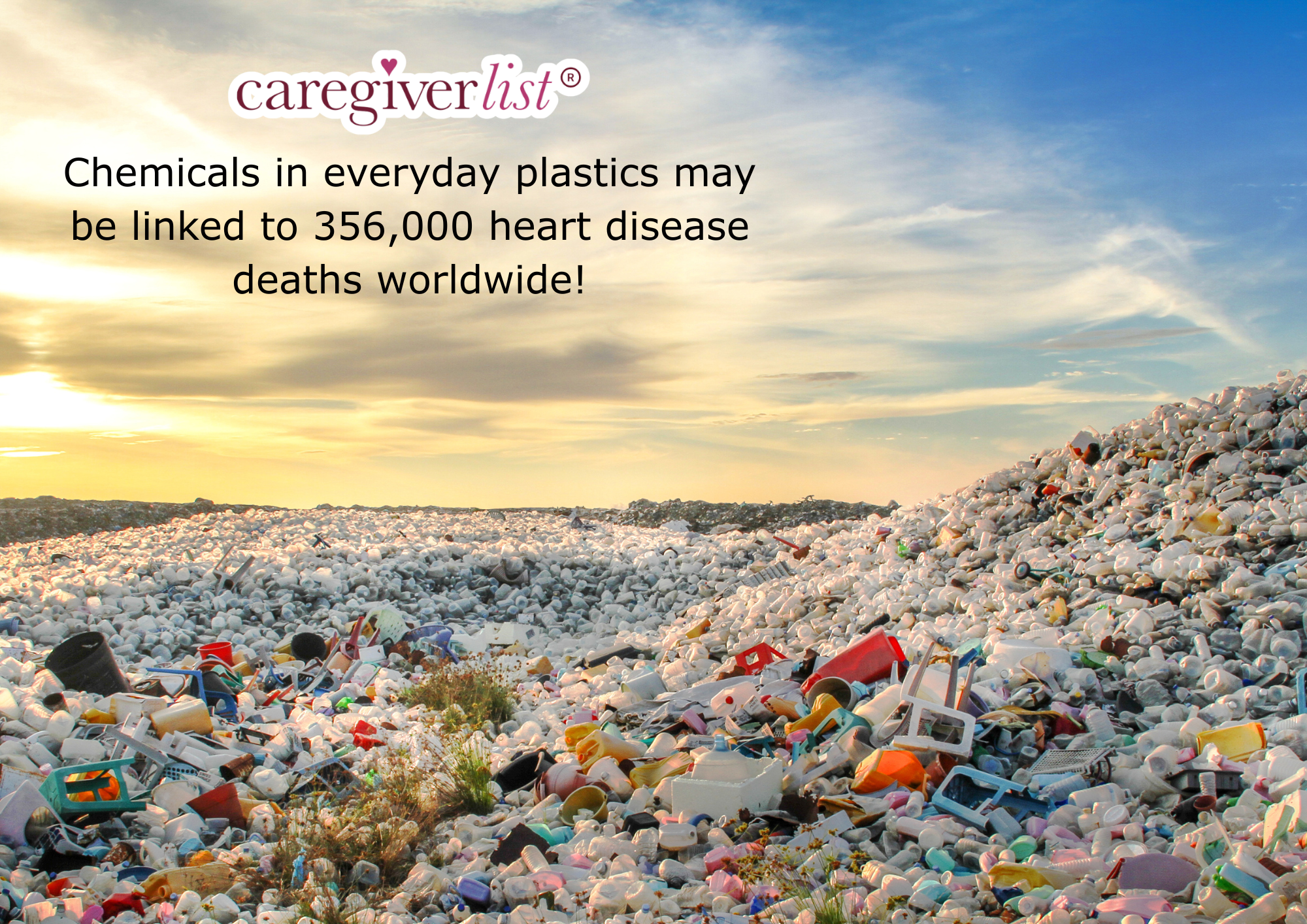
Researchers from NYU Langone Health found that DEHP, a chemical used to make plastic flexible (think food containers, medical tubing, and IV bags), may be linked to more than 356,000 heart-related deaths worldwide in 2018 alone. That’s over 13% of all global heart disease deaths among adults aged 55–64.
The study found that the heaviest toll was in Asia and the Middle East, but the risk is global. Why? DEHP can leach into food, drinks, or the body from plastic products. Once inside, it’s been linked to inflammation in the arteries, which over time can raise the risk of heart attacks and strokes.
This isn’t brand-new information — we’ve seen warnings about phthalates (the family of chemicals DEHP belongs to) for decades. But these numbers put into perspective just how widespread and costly the problem is. The researchers estimate the economic impact at $510 billion to $3.7 trillion annually.
For caregivers, the takeaway is simple: even though we can’t eliminate all exposure, we can take steps to reduce it, especially for seniors and those with heart conditions. Older adults are often more vulnerable because of existing health issues, weaker immune systems, or repeated exposure through long-term medical care.
Practical Tips for Caregivers:
- Choose glass or stainless steel for food and drink storage when possible.
- Avoid heating food in plastic containers — heat can release more chemicals.
- Check labels for “phthalate-free” or “BPA-free” (while not perfect, it’s a start).
- Ask medical providers if phthalate-free options are available for tubing or IV lines.
- Wash hands regularly after handling plastics, especially before eating.