Parkinson’s disease impacts over 8.5 million people around the world, making it the second most prevalent neurological disorder. While there’s no known cure, symptoms such as tremors, muscle stiffness, and slowed movement are typically managed through multiple daily doses of oral medication.
Scientists at the University of South Australia (UniSA) have developed a long-acting injectable gel that delivers a steady dose of Parkinson’s medication for seven full days, potentially eliminating the need for taking multiple pills each day.
This innovation centers around two critical drugs: levodopa and carbidopa; which are the foundation of most Parkinson’s treatment plans. These medications help manage tremors, stiffness, and slowed movement. But because their effects wear off quickly, patients often need to take them several times a day, which can be challenging, especially for older adults or those with mobility and swallowing difficulties.
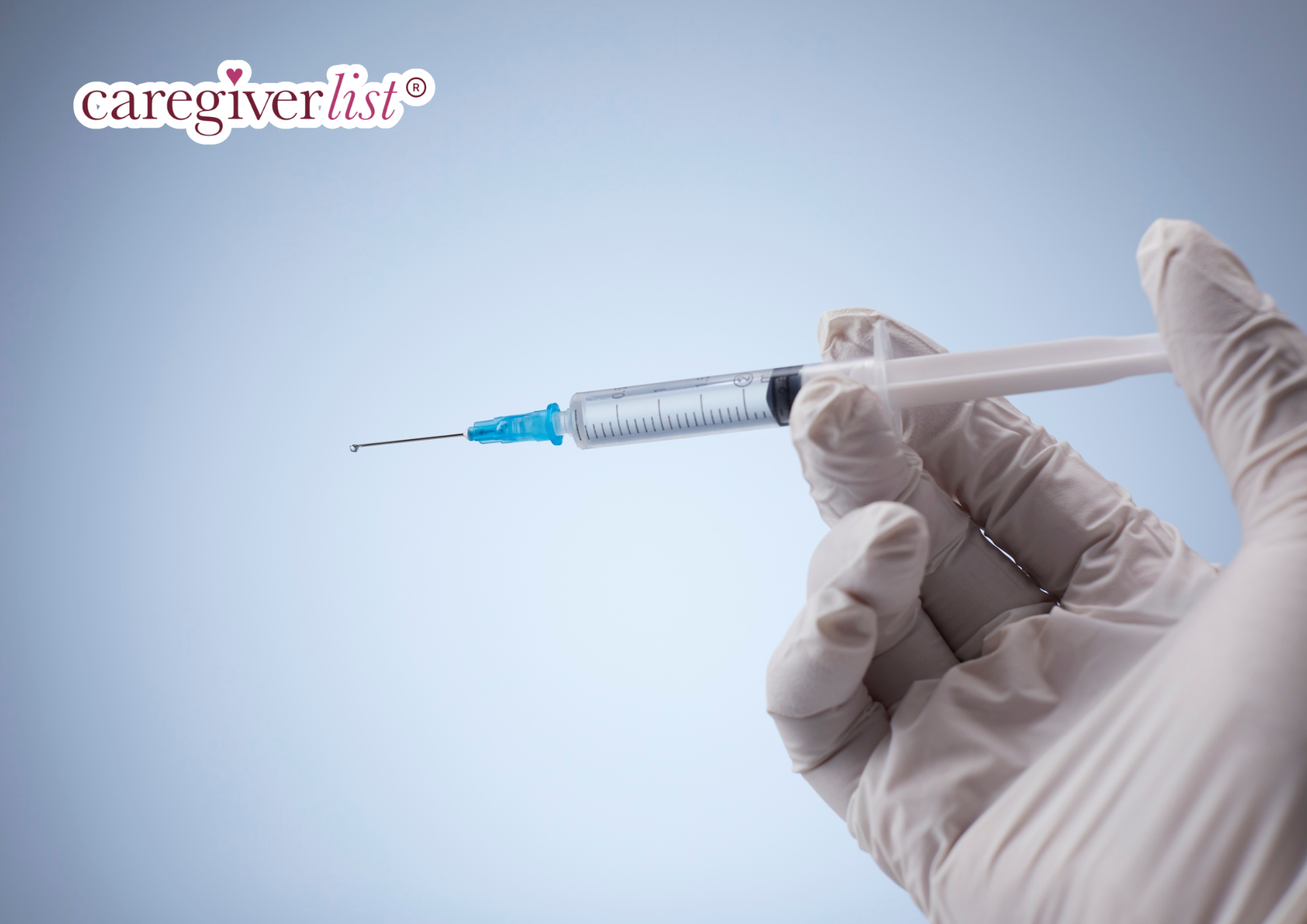
The new solution? A biodegradable gel that’s injected just under the skin or into the muscle using a fine needle. Once administered, it gradually releases a consistent amount of medication throughout the week, keeping symptoms under control and minimizing the side effects associated with fluctuating drug levels.
The gel is made from a combination of polymers, including an FDA-approved biodegradable material known as PLGA, and another component that reacts to pH changes. Together, these ingredients control the slow, steady release of medication over time.
This innovation could lead to more consistent symptom control, fewer side effects, and greater convenience, especially for older adults or those with difficulty swallowing. It also opens the door for long-acting treatments for other chronic illnesses like diabetes, cancer, chronic pain, and neurological disorders.